Augmented Reality Stores
Giving e-commerce some dimension.
Problem
The traditional affiliate marketing approach often relies on placing links in blog posts or social media captions, which can result in low engagement and conversion rates.
Hypothesis
By creating an immersive shopping experience that integrates with the influencer's content, augmented reality storefronts can provide a more engaging and effective way to sell products and generate revenue for both the brand and the influencer.


Experiment
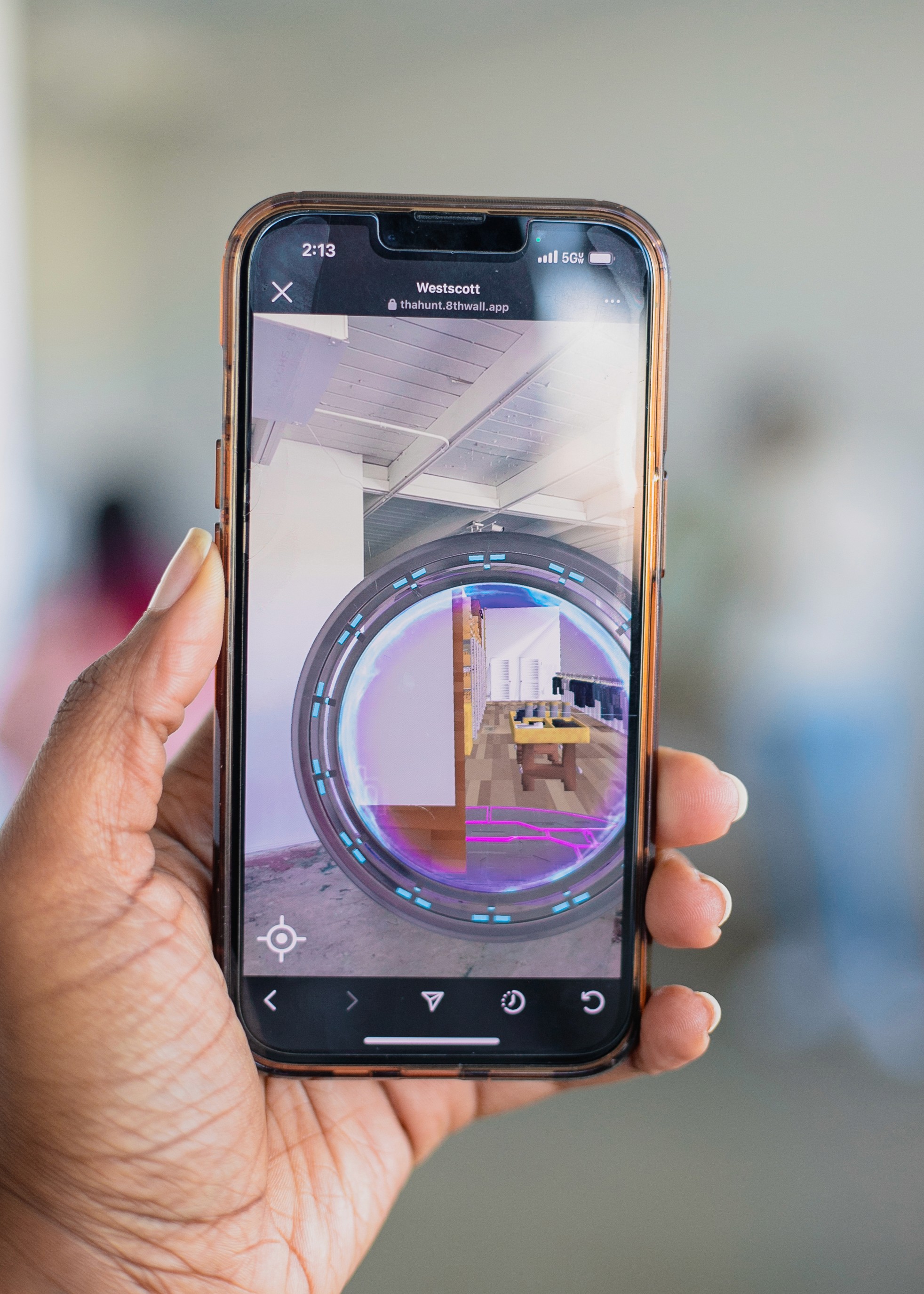
Now more than ever brands must come up with creative ways to engage their customers online. This document outlines the details of an outdoor augmented reality (AR) pop-up show featuring life-size renderings of brick-and-mortar stores from popular modern retail brands. The pop-up show would be a unique and immersive shopping experience, showcasing a variety of products from leading modern retail brands. Using AR technology, we would create life-size renderings of the retailers' physical stores, allowing customers to explore the stores and see the products in person, even if the physical stores are located far from the pop-up show. The AR pop-up show would be a major attraction for fashion and retail enthusiasts, providing them with an exciting and interactive way to discover new products and brands. It would also be an effective marketing tool for the participating retailers, helping them to reach a wider audience and showcase their products in a unique and engaging way. To create the AR renderings of the retailers' stores, we would use photogrammetry and 3D stitching techniques to capture the details and dimensions of the physical stores. We would then use this data to create life-size AR renderings that can be viewed on mobile devices or through AR headsets at the pop-up show.
Event Objective
Our main objective for this pop-up show is to understand consumer sentiment around virtual storefronts with an experimental and memorable shopping experience that will engage customers with modern retail brands, and showcase the possibilities of AR technology in retail.

Event Recap
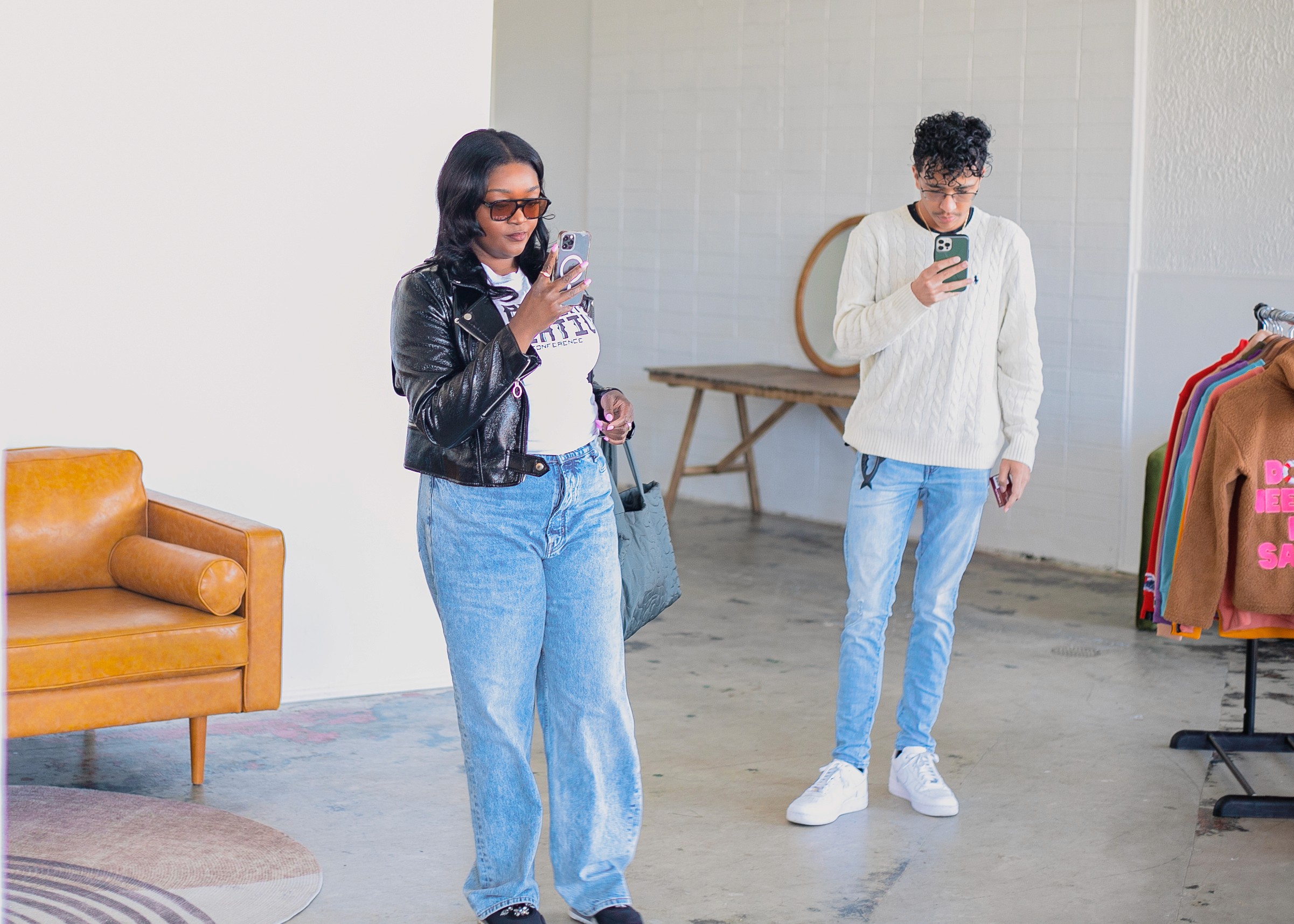
The event I organized lasted for two hours, and I was thrilled to see around 50 people come through. The energy in the room was palpable, and shoppers were eager to engage with the augmented reality (AR) storefront. As soon as they interacted with the AR features, I could see the shopper sentiment was very positive.
However, despite the high engagement and positive sentiment, we did not see any sales from the virtual storefront. After analyzing the event, I realized that there were some areas of improvement that needed attention. Specifically, I identified some structural issues that were preventing shoppers from making purchases from the vendor stores. Moving forward, I plan to work on optimizing these areas to enhance the buying experience for shoppers.
While the results from this event were not what I had hoped for, I believe that AR storefronts still have a place in the retail industry. From my perspective, they are not necessarily needed to differentiate or drive sales. However, I do see potential for brands to use AR technology in conjunction with capsule drops and compelling storytelling to create a unique and memorable shopping experience for their customers.
In conclusion, while there were some areas for improvement, I am proud of the event and the positive feedback we received from shoppers. I look forward to exploring the possibilities of AR storefronts further and discovering new ways to engage with customers in the future.