Augmented Reality @ MODA
In 2023, I assumed the role of an Augmented Reality Teaching Artist at Harvey B. Gantt's Mecca of Digital Arts.
Introduction
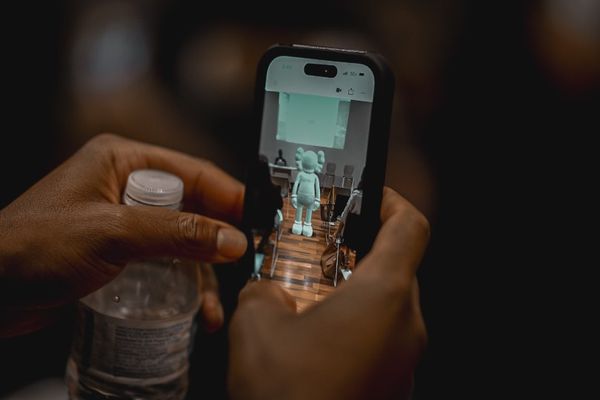
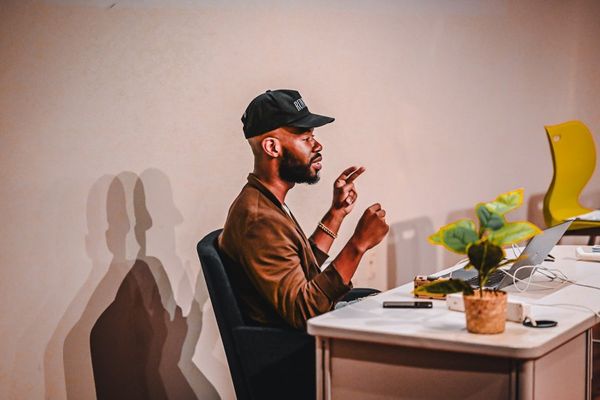
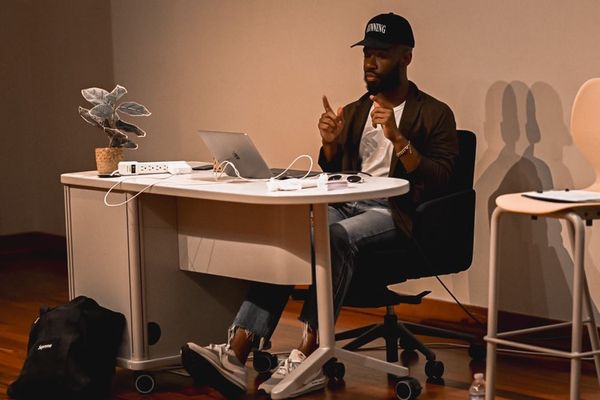
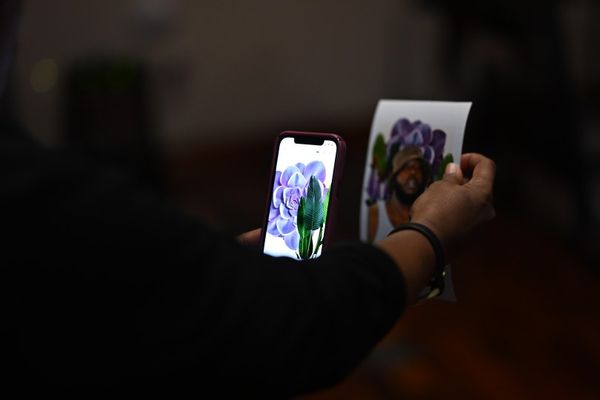
The Harvey B. Gantt African American Museum houses the Mecca of Digital Arts, a premier media lab equipped with cutting-edge technology. In its inaugural year, I took on the mantle of an Augmented Reality instructor, imparting knowledge to over 100 creatives from diverse fields on the utilization of Augmented Reality through Adobe Aero. Moreover, I facilitated learning in Adobe Mixamo for animation and introduced them to a variety of 3D modeling techniques, software applications, and other tools to vivify their creations.
PBS interview about Augmented Reality @ MODA
Teach + Arts Summit
Live demo teaching students how to add layering to images.
Challenges in the Digital Arts
According to the National Endowment for the Arts (NEA), arts education has faced challenges in integrating new technologies into curricula, which has limited opportunities for arts integration and digital literacy in K-12 education. This lack of integration has resulted in a digital divide, where some students have access to advanced digital arts tools and education, while others do not. This divide can exacerbate existing inequities in education and limit opportunities for students to develop essential skills for the digital age. This indicates a significant gap in arts education, with many students not receiving adequate exposure to arts and digital technologies.
Why Now?
Increased Focus on STEAM Education: There is a growing recognition among educators, policymakers, and parents about the importance of STEAM education in preparing students for future careers. The demand for integrated arts and technology education is rising, creating a market need for innovative solutions that combine creativity, critical thinking, and digital literacy.
Technological Advancements: The advancement of technology, particularly in areas like augmented reality (AR), virtual reality (VR), and creative software tools, has opened up new possibilities for digital arts education. These technologies can enhance student engagement, provide immersive learning experiences, and empower students to explore their creative potential in unprecedented ways.
Digital Learning Transformation: The COVID-19 pandemic accelerated the adoption of digital learning tools and platforms. Educators and students have become more comfortable with online learning, creating a favorable environment for the integration of digital arts platforms into virtual and hybrid classrooms. The demand for flexible, accessible, and engaging digital resources is higher than ever before.
Bridging the Equity Gap: Building a B2B digital arts platform for STEAM education can help address the digital divide and promote equity in education. By providing schools and community centers with affordable access to digital arts tools and resources, the platform can ensure that students from diverse backgrounds have equal opportunities to develop their creative and technological skills.
Market Potential and Growth: The market for educational technology (EdTech) is expanding rapidly, with a particular focus on STEAM education. According to a report by HolonIQ, the global EdTech market is projected to reach $404 billion by 2025. By positioning the digital arts platform as a valuable tool for STEAM education, there is significant potential to capture a share of this growing market.
Supportive Policy Environment: Governments and educational institutions worldwide are placing greater emphasis on integrating arts and technology in curricula. Initiatives such as the United Nations Sustainable Development Goals and national policies promoting STEAM education provide a supportive policy environment and funding opportunities for companies in the educational technology sector.
Conclusion
In light of the burgeoning focus on STEAM education and the rapid advancements in technology, my tenure as an Augmented Reality instructor at the Mecca of Digital Arts, situated within the Harvey B. Gantt African American Museum, feels both timely and pivotal. As we witness a transformative era where education is melding with digital avenues, driven in part by the global shift catalyzed by the COVID-19 pandemic, the expertise I fostered in over 80 creatives holds more significance than ever. This role not only allowed me to nurture the blending of arts and technology, fostering innovation and critical thinking but also positioned me as a harbinger in bridging the equity gap in digital education. As governments and educational bodies globally accentuate the integration of arts and technology in curricula, I am excited to continue leveraging the potential growth in the EdTech market, projected to burgeon to $404 billion by 2025. Through continued collaborations and initiatives, I am committed to shaping a future where creativity meets technology, fostering a nurturing environment that propels students and creatives alike to explore the uncharted territories of their creative prowess, underpinned by a supportive policy environment and a unified goal to foster equity and excellence in education.